Genetic Predisposition
Family history of substance use disorder roughly doubles your risk because brain reward pathways are partly inherited.

Reclaim Your Life with Compassion

Recognizing the Signs
Opioid use disorder (OUD) is a chronic, treatable medical condition characterized by compulsive opioid use despite harmful consequences. The Substance Abuse and Mental Health Services Administration classifies OUD as a brain disorder, not a moral failing or lack of willpower, and emphasizes that recovery is possible with the right care.
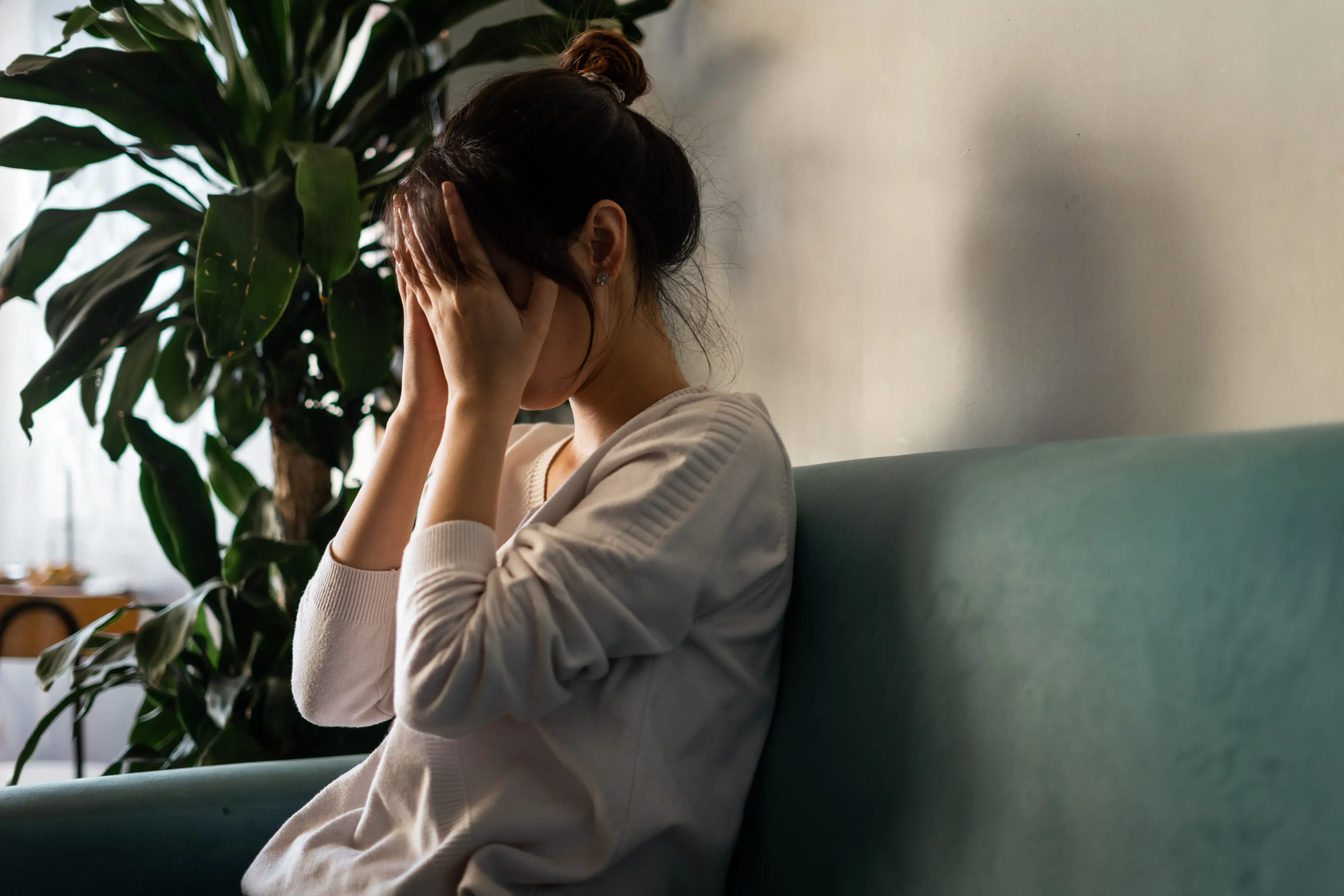
When you or a loved one is living with opioid dependency, the experience often includes intense cravings, withdrawal symptoms when use stops, and a feeling that life cannot function without the substance. This is your brain and body responding to real neurochemical changes, not weakness.
Many patients describe living a double life, hiding use from family, missing work or school, and feeling deep shame. You are not alone in this, and reaching out for help is a courageous first step toward addiction treatment and Suboxone in Easley, SC.
Understanding the Root Causes
Opioids bind to mu-opioid receptors in the brain, triggering the release of dopamine and producing intense pleasure and pain relief. With repeated exposure, the brain adapts by reducing its own natural opioid and dopamine production, so daily life can feel flat or painful without the substance. This neurochemical shift is the biological foundation of dependency.
Over time, tolerance develops and higher doses are needed to achieve the same effect. The National Institute on Drug Abuse reports that about 8 to 12 percent of patients prescribed opioids for chronic pain develop opioid use disorder, demonstrating that this is a medical response to a powerful class of medications, not a character flaw.
Genetics, trauma, untreated mental health conditions, chronic pain, and social environment all contribute to risk. Many people with OUD also live with co-occurring depression or anxiety, which is why an integrated psychiatric approach with medication-assisted treatment offers the strongest path to recovery.
How MAT Restores Brain Balance
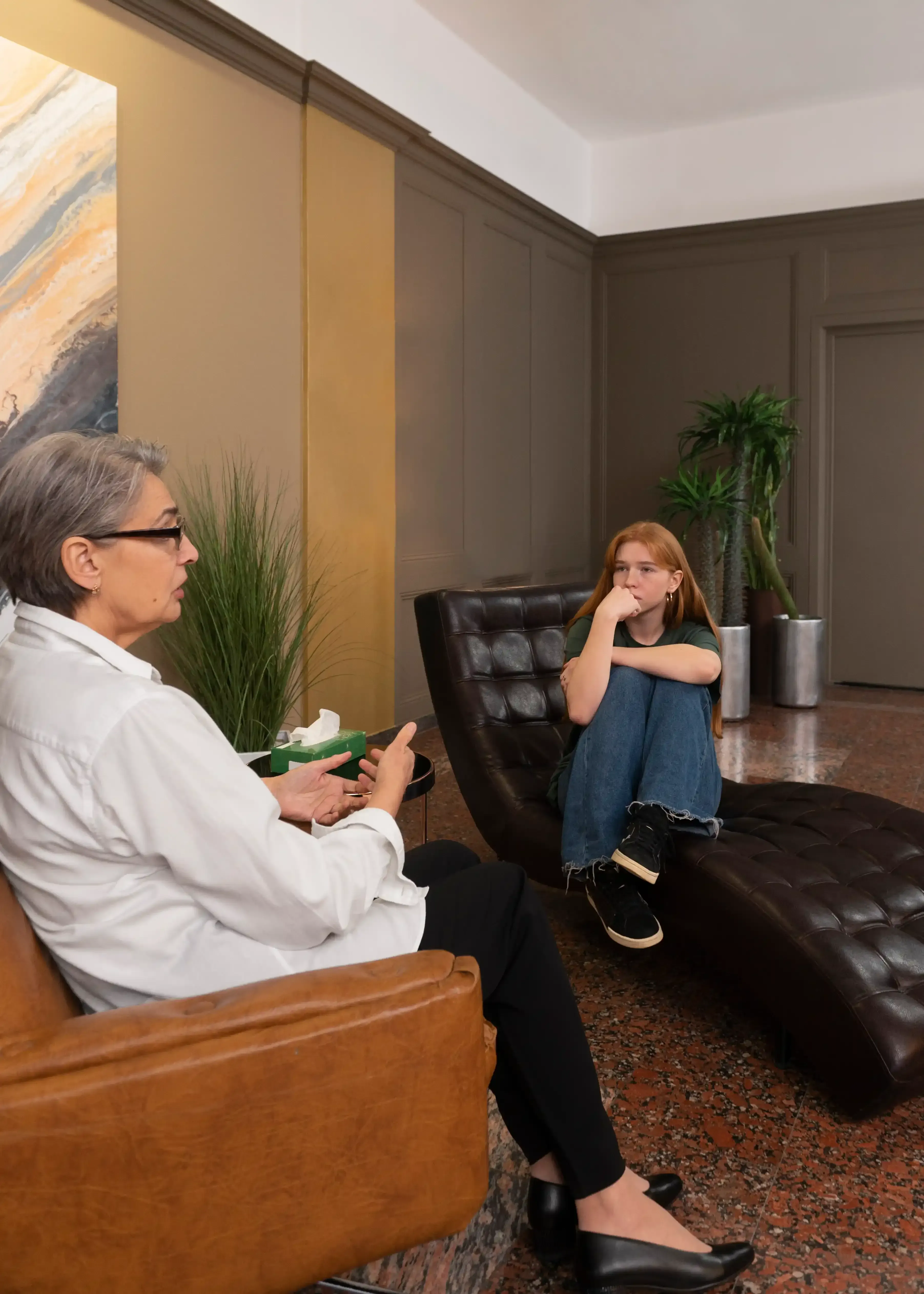
Medication-assisted treatment (MAT) combines FDA-approved medications with counseling and behavioral support. The U.S. Food and Drug Administration approved buprenorphine (the active ingredient in Suboxone) for opioid dependence in 2002, and decades of evidence show MAT cuts the risk of fatal overdose by approximately 50 percent.
Suboxone contains buprenorphine, a partial opioid agonist, plus naloxone, which discourages misuse. Buprenorphine occupies the same receptors as opioids like heroin or oxycodone, but with a ceiling effect that prevents the high while eliminating cravings and withdrawal. Your brain stabilizes, and you can focus on rebuilding your life rather than chasing the next dose.
Harm reduction is a core principle of modern addiction care. Rather than demanding immediate abstinence, harm reduction meets you where you are, reduces overdose risk, and supports any positive change. This approach is endorsed by SAMHSA and is the foundation of how Christina Holliday delivers addiction treatment and Suboxone in Easley, SC.

Expert Care in Easley
Finding Your Best Approach
| Treatment | Best For | Session Time | Results Timeline | Maintenance |
|---|---|---|---|---|
| Addiction Treatment and Suboxone | Opioid use disorder, MAT | 30 min | Cravings ease in days | Monthly visits |
| Adult Psychiatry | Co-occurring depression, anxiety, PTSD | 30 min | 2-6 weeks | Monthly to quarterly |
| TMS Therapy with Exomind | Treatment-resistant depression with addiction | 30 min | 4-6 weeks | Maintenance sessions |

Recognizing When to Seek Help
Explore evidence-based treatments that support recovery and whole-person wellness.
About Addiction Treatment
Suboxone combines buprenorphine, a partial opioid agonist, with naloxone. Buprenorphine occupies opioid receptors to eliminate cravings and withdrawal without producing a high, allowing your brain to stabilize so you can focus on recovery.
MAT pairs FDA-approved medications like Suboxone with counseling and medical follow-up. The medication addresses the neurochemical roots of dependency while counseling supports behavior change. SAMHSA reports MAT roughly cuts overdose mortality in half.
There is no fixed timeline. Many patients benefit from medication-assisted treatment for one to two years or longer, and some choose to stay on Suboxone indefinitely. We treat addiction as a chronic condition, similar to managing diabetes or high blood pressure.
Christina Holliday specializes in opioid use disorder, including dependency on prescription pain medications, heroin, and fentanyl. She also addresses co-occurring substance use and mental health conditions including alcohol concerns when paired with psychiatric care.
Suboxone is designed to prevent the high. Buprenorphine has a ceiling effect, meaning it stops producing more euphoria past a certain dose. While physical dependence on Suboxone is possible, this is medically managed and very different from active addiction.
Yes. Many patients with opioid dependency also live with depression treatment in Easley, SC needs or anxiety treatment in Easley, SC. We treat these together because integrated care produces stronger recovery outcomes than treating one condition at a time.
Addiction is a chronic brain disease, recognized as such by the FDA, NIDA, SAMHSA, and the American Medical Association. Brain imaging shows real changes in reward, motivation, and impulse-control circuits. You are not weak. You have a treatable medical condition.
If you have tried to stop on your own and could not, if withdrawal symptoms are pulling you back, or if your use is affecting work, family, or health, now is the right time. Early intervention with MAT dramatically improves outcomes and reduces overdose risk.