Hot Flashes and Night Sweats
Reduce vasomotor symptoms that disrupt sleep and daily focus

Bioidentical HRT for women and men.
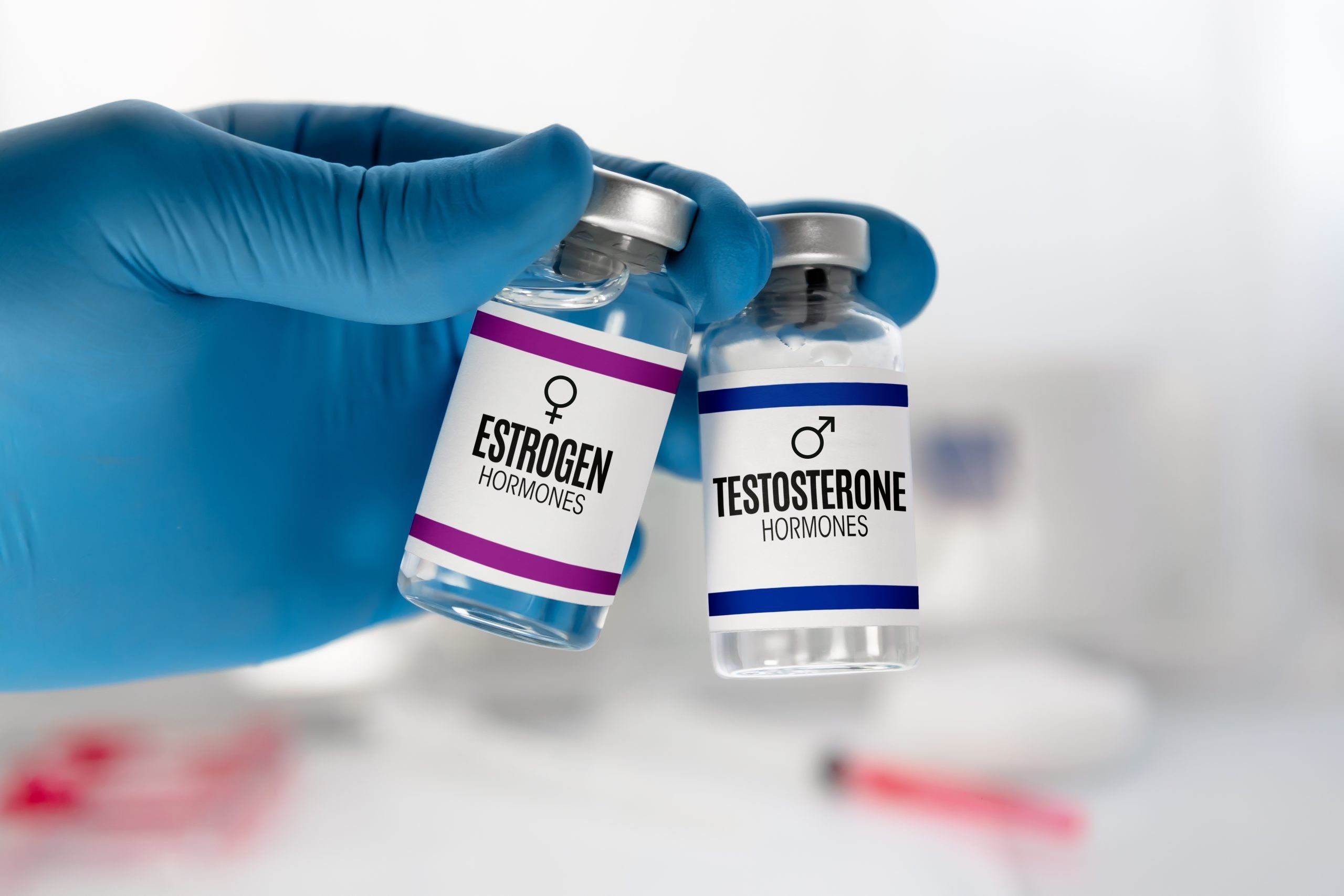
Understanding Hormone Decline
You used to bounce out of bed. Now mornings feel heavy, sleep does not refresh you, and the afternoon slump turns into an evening crash. Periods become unpredictable, hot flashes interrupt meetings, and night sweats soak the sheets. Workouts that used to work no longer move the scale. Mood swings, irritability and brain fog show up at the wrong moments, and intimacy fades along with libido. For many adults across Easley and the Upstate, a routine annual visit ends with normal labs and no real plan, even though something has clearly changed.
Hormone replacement therapy replaces what time has taken away. Kristina runs a comprehensive hormone panel, maps each symptom to a measurable lab value, and builds a plan around bioidentical estrogen, progesterone, testosterone, DHEA and thyroid support as your body needs. Treatment options include oral capsules, topical creams, vaginal preparations, and weekly injections so the delivery method fits your life. Visits run longer, follow-ups happen weekly to monthly during titration, and a full re-check at three months keeps your plan precise.
The Bioidentical Hormone Approach
Hormone replacement therapy, often called HRT or bioidentical hormone replacement therapy (BHRT), is a medical program that restores hormones the body produces less of with age, perimenopause, menopause, andropause, thyroid imbalance, or adrenal stress. According to the North American Menopause Society (NAMS) and the Endocrine Society, individualized hormone therapy remains the most effective treatment for moderate to severe vasomotor symptoms and the genitourinary syndrome of menopause, and is also indicated for clinically diagnosed testosterone deficiency in men.
Bioidentical hormones are molecularly identical to the hormones your body makes naturally. After Kristina reviews symptoms and a complete hormone panel, your plan replaces only what is low and titrates to the lowest effective dose. Estrogen calms hot flashes, protects bone density, supports vaginal tissue health, and often improves sleep quality in menopausal women. Progesterone protects the uterine lining and supports rest and mood. Testosterone restores libido, lean muscle, motivation and energy in both women and men. DHEA and thyroid hormones are added when labs and symptoms support it.
Before treatment begins, we run a full workup that typically includes a comprehensive metabolic panel, complete thyroid panel (TSH, free T3, free T4, reverse T3, antibodies), sex hormone panel (estradiol, progesterone, total and free testosterone, SHBG, DHEA-S), AM cortisol, vitamin D, and a lipid panel. Labs are repeated during titration so dosing stays precise.
You have options. Oral capsules and tablets are simple. Topical creams and gels deliver steady levels through the skin. Vaginal estrogen creams or tablets target genitourinary symptoms locally. Weekly testosterone injections are predictable and adjustable.
Most patients notice improved sleep and mood within 2 to 4 weeks, with hot flashes, energy, libido and cognitive clarity continuing to improve over 8 to 12 weeks. We re-check labs at the 3 month mark, refine the dose, and continue care for as long as it benefits you.
Energy, Clarity and Balance
2000+ Satisfied patients






Deeper, less interrupted sleep with progesterone and balanced estrogen
Steady daytime stamina without the afternoon and evening crash
Improved memory, word recall and mental clarity through the day
Better strength, recovery and metabolic rate with optimized testosterone
Estrogen therapy preserves bone mineral density during menopause
Improved libido, comfort and confidence for women and men
Compare Your Options
| Treatment | Mechanism | Time | Results | Duration | Downtime | Best For |
|---|---|---|---|---|---|---|
| HRT at Riverstone | Bioidentical estrogen, progesterone, testosterone, DHEA | Longer visits | Sleep and mood in 2-4 weeks, full effect 8-12 weeks | Ongoing with 3 month re-checks | None | Lab-confirmed hormone decline with symptoms |
| OTC Supplements (black cohosh, soy) | Phytoestrogens and herbal compounds | Self-administered daily | Mild and inconsistent symptom relief | As long as taken | None | Very mild symptoms or HRT contraindicated |
| Antidepressants for Menopausal Mood | SSRIs or SNRIs adjusting brain serotonin | Daily oral dose | Helps mood and some hot flashes, not libido or energy | Months to years | None | Mood-driven symptoms when HRT is contraindicated |
| Lifestyle Alone | Diet, exercise, stress management, sleep hygiene | Ongoing daily habits | Foundational support, partial symptom relief | Lifelong | None | Mild symptoms or as a complement to HRT |

Finding Your Best Fit
Hormone replacement therapy works best for adults whose symptoms are consistent with hormonal deficiency and who do not have absolute contraindications to hormone therapy.
If any of these apply, Kristina will discuss safer alternatives, including non-hormonal options for vasomotor symptoms, mood support, sleep, and bone health. Specialty referral to oncology, hematology or cardiology is coordinated when needed before any hormone is prescribed.
Step-by-Step Process
Your provider spends unhurried time mapping symptoms, history, goals and prior labs together.
Kristina orders full thyroid, sex hormone, cortisol, vitamin D and metabolic panels.
Kristina builds a bioidentical plan choosing oral, cream, vaginal, or injection delivery.
Kristina prescribes the lowest effective dose and reviews how to use, store and track each medication.
Kristina re-checks labs and symptoms weekly to monthly during titration, with a full 3 month re-check.
What to Know
Most patients tolerate bioidentical hormone replacement therapy well, but every starting dose is an adjustment. The most common dose-related effects in the first four to six weeks include mild breast tenderness, water retention, headache, breakthrough spotting, acne or oilier skin, and short-term mood shifts. These typically resolve on their own or with a small dose adjustment.
Rare but serious risks include venous thromboembolism, stroke, gallbladder disease, and a small absolute increase in breast cancer risk with combined estrogen plus progestin therapy used for several years. Risk varies with age, time since menopause, baseline cardiovascular health, and the type, dose, and route of hormone used. Transdermal estrogen carries a more favorable profile.
Kristina reviews your full medical and family history, current medications, and symptoms before prescribing. Baseline labs and routine breast and pelvic screening are required, with follow-up labs at six to eight weeks and then yearly. HRT is not appropriate for patients with certain cancers, active clotting disorders, or undiagnosed vaginal bleeding. Doses are titrated to your response.
Hormone replacement therapy at Riverstone Wellness is priced transparently and varies based on the medications, delivery method, and lab work your plan requires. In the Upstate South Carolina market, comprehensive HRT programs typically range from $150 to $400 per month all-in. At Riverstone Wellness, HRT is far more affordable: it is included for Direct Primary Care members, and HRT-only patients pay a flat $115 per month per individual.
Direct Primary Care members already have HRT included as part of their primary care package. Patients who come to Riverstone for HRT only receive the same close patient–provider relationship and access for a flat $115 per month per individual.
HRT consultations and prescriptions are HSA and FSA eligible in many cases (please confirm with your plan administrator). Riverstone Wellness does not bill insurance for HRT visits, which keeps panels small and visits long. Outside labs and pharmacy fills can still bill your insurance. CareCredit is accepted for related wellness services, and household pricing is available for couples enrolled in care together.
Easley's Trusted HRT Provider
Full thyroid, sex hormone, cortisol and metabolic workup before any prescription
FDA-approved oral, cream, vaginal, and injection options matched to you
Weekly to monthly check-ins during titration so dosing stays precise
Reduced lab and consult pricing for Direct Primary Care members
Hormones reviewed alongside thyroid, metabolism, and mental health
Honest, judgment-free conversations about symptoms and goals
Pair hormone optimization with membership care and supportive wellness therapies.
Your Questions Answered
Hormone replacement therapy (HRT) is a medical program that restores estrogen, progesterone, testosterone, DHEA and thyroid hormones to optimal levels using FDA-approved bioidentical formulations. Treatment is individualized based on a comprehensive lab panel and your symptoms.
If you have symptoms like fatigue, brain fog, hot flashes, night sweats, low libido, mood swings, weight gain, sleep issues or joint pain, Kristina can run a full hormone panel to confirm whether your levels are below optimal. The decision to begin HRT is based largely on your symptoms and medical history; lab values are primarily used when considering testosterone therapy.
Your initial workup typically includes a comprehensive metabolic panel, full thyroid panel (TSH, free T3, free T4, reverse T3, antibodies), sex hormone panel (estradiol, progesterone, total and free testosterone, SHBG, DHEA-S), AM cortisol, vitamin D and a lipid panel.
For most healthy adults with documented hormone decline, bioidentical HRT is considered safe when prescribed at the lowest effective dose, monitored with repeat labs, and used per North American Menopause Society and Endocrine Society guidelines. Patients with breast or hormone-sensitive cancers, active blood clots, severe liver disease or undiagnosed bleeding should not use HRT.
Most patients notice better sleep and steadier mood within 2 to 4 weeks. Hot flashes, energy, libido and cognitive clarity continue to improve through weeks 8 to 12, with a full re-check at the 3 month mark to refine dosing.
If you're searching for hormone replacement therapy near you in Easley, Greenville, Anderson, Pickens or the surrounding Upstate, Riverstone Wellness offers in-person consultations at our Easley clinic on Highway 153, with most patients driving in from within a 30 to 60 mile radius. Call (864) 520-4474 or book online to schedule your initial consultation.
Bioidentical hormones are molecularly identical to the hormones your body produces naturally, while older synthetic hormones (like conjugated equine estrogens or medroxyprogesterone) have a slightly different chemical structure. Riverstone Wellness uses FDA-approved bioidentical estradiol, micronized progesterone and testosterone whenever clinically appropriate.
Yes. Men with clinically diagnosed testosterone deficiency (consistently low total and free testosterone alongside symptoms like fatigue, low libido, loss of muscle, mood changes or brain fog) often benefit from testosterone replacement using cream, weekly injection or pellet therapy.
Most FDA-approved bioidentical hormones (estradiol patches, micronized progesterone capsules, testosterone cypionate injections, vaginal estrogen) are filled at any standard pharmacy. Compounded creams or specific pellet preparations are sent to a partner compounding pharmacy when appropriate.
Riverstone Wellness does not bill insurance for HRT consultations — that's how we keep panels small and visits unhurried. However, outside lab draws and FDA-approved hormone prescriptions filled at your regular pharmacy are often covered by your insurance. Visits, labs and prescriptions are also HSA and FSA eligible in many cases.
Follow-up visits run weekly to monthly during the initial titration period (usually the first 8 to 12 weeks) so we can fine-tune your dose. After that, a full re-check happens at 3 months with repeat labs, then every 6 to 12 months for maintenance.