Obesity
BMI of 30 or higher with diet, activity, and lifestyle support

GLP-1 and GLP-1/GIP Therapy, Weekly Check-Ins

A medical answer for stubborn weight
If you have spent years counting calories, trying every plan, and still feel the scale will not move, you are not alone. Stubborn weight is not a willpower problem. Hormones, metabolism, sleep, stress, and medications all shape how your body holds and releases fat. For many adults, traditional diet and exercise alone simply cannot overcome that biology, and the constant restart cycle wears on both confidence and health. Riverstone Wellness sees this story every week, and we believe you deserve more than another plan that ignores how your body actually works.
Semaglutide and tirzepatide change the conversation. As GLP-1 based medications, they work with your physiology to quiet hunger, slow stomach emptying, and steady blood sugar, so eating less feels possible rather than punishing. Tirzepatide adds a second hormonal pathway (GIP) for some patients who want a stronger metabolic response. Paired with our weekly check-ins, lab review, and lifestyle coaching, semaglutide or tirzepatide becomes part of a complete supervised plan. Many patients combine therapy with lipotropic injections in Easley, SC or sermorelin therapy in Easley, SC for added metabolic and recovery support.
GLP-1 Therapy for Sustainable Weight Loss
Semaglutide and tirzepatide are injectable medications that mimic gut hormones to help adults lose weight. The compounded versions we prescribe are not FDA approved. Semaglutide is a GLP-1 receptor agonist (the same class as Wegovy and Ozempic) and tirzepatide is a dual GLP-1 and GIP receptor agonist (the class behind Mounjaro and Zepbound). Both are once-weekly subcutaneous injections that reduce appetite, slow gastric emptying, and improve insulin response. The U.S. Food and Drug Administration first approved semaglutide as Ozempic for type 2 diabetes in 2017 and as Wegovy for chronic weight management in 2021, and approved tirzepatide as Mounjaro for type 2 diabetes in 2022 and as Zepbound for chronic weight management in 2023. You can review the official FDA approval information at fda.gov.
Mechanically, semaglutide binds to GLP-1 receptors in the brain and digestive tract, while tirzepatide binds to both GLP-1 and GIP receptors. Both medications slow gastric emptying so meals stay with you longer, dampen hunger and food noise through signals to the hypothalamus, and improve insulin response. The result is fewer cravings, smaller comfortable portions, and steadier energy across the day. The STEP clinical trials of semaglutide showed average weight reductions of roughly 12 to 15 percent of starting body weight over 68 weeks, while the SURMOUNT trials of tirzepatide showed slightly greater average weight loss, with reductions of roughly 18 to 22 percent of starting body weight at the highest doses. Trial summaries are indexed on PubMed.
Real outcomes, real support
2000+ Satisfied patients






Choose semaglutide or tirzepatide based on history, goals, and budget
Approximately 12 to 15 percent on semaglutide, 18 to 22 percent on tirzepatide in trials. Individual results vary.
Quieter cravings and steadier hunger between meals
Better blood sugar, insulin response, and lipid profile
Direct provider support, not a hands-off prescription model
Once-weekly subcutaneous injection, often self-administered
Compare your choices
| Treatment | Mechanism | Time | Results | Duration | Downtime | Best For |
|---|---|---|---|---|---|---|
| Semaglutide at Riverstone | GLP-1 receptor agonist, appetite and gastric control | Weekly injection | 12 to 15 percent body weight loss | 6 to 12 months, often longer for maintenance | None | BMI 30+ or 27+ with comorbidity |
| Tirzepatide at Riverstone | Dual GLP-1 and GIP receptor agonist | Weekly injection | 18 to 22 percent body weight loss | 6 to 12 months, often longer for maintenance | None | Higher weight loss target, similar candidates |
| Phentermine | Stimulant appetite suppressant | Daily oral pill | Approximately 5 percent body weight loss | Up to 12 weeks (short-term) | None | Short-term jumpstart, no cardiovascular risk |
| Diet and Exercise Alone | Calorie reduction and behavior change | Daily habits | 3 to 5 percent body weight loss on average | Lifelong | None | Mild to moderate weight goals |
| Bariatric Surgery | Surgical reduction or rerouting of stomach | One-time procedure | 20 to 30 percent body weight loss | Permanent anatomical change | 2 to 6 weeks | Severe obesity (BMI 40+ or 35+ with comorbidity) |

Semaglutide Weight Loss
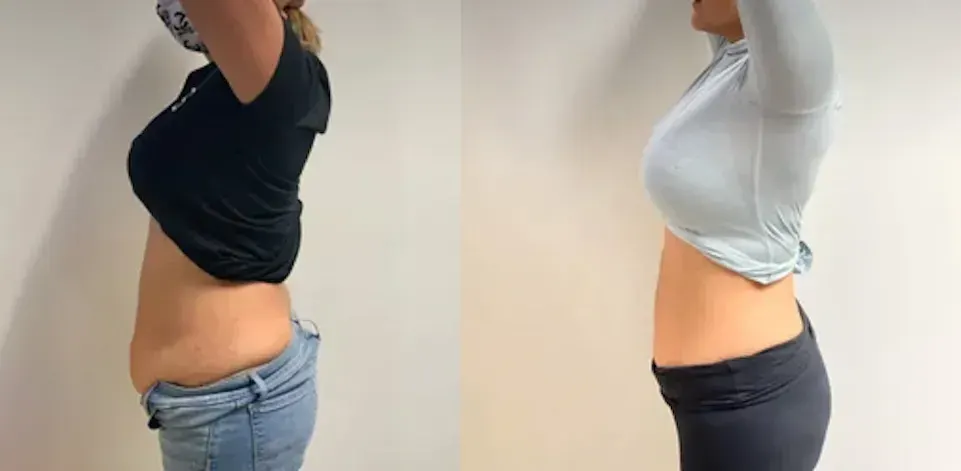
Semaglutide Weight Loss
In our weekly check-in model, most patients begin to notice quieter appetite and smaller portions within the first 2 to 4 weeks of semaglutide or tirzepatide therapy. Visible body changes typically follow at 8 to 12 weeks, with the most meaningful weight loss appearing between months 6 and 12 as you reach and maintain your therapeutic dose. Results vary by starting weight, lifestyle, medication choice, and consistency.
View All
Right care, right person
Semaglutide and tirzepatide work best as part of a supervised plan in adults whose weight is affecting their long-term health. During your evaluation, Kristina reviews your medical history, current medications, labs, and goals to confirm whether GLP-1 therapy fits your story, and which medication is the better starting point for you.
If any of the absolute contraindications apply to you, we will guide you toward a safer plan, which may include lipotropic injections, sermorelin therapy, or supervised lifestyle care.
Step by step with Kristina
Kristina reviews your history, BMI, labs, and goals to confirm GLP-1 therapy is right for you.
Kristina helps you choose between semaglutide and tirzepatide based on history, insurance coverage, cost, and weight loss goals.
Kristina orders metabolic, thyroid, and lipid panels to set a clear starting point before your first injection.
Kristina starts you on the lowest tolerated weekly dose and titrates upward gradually based on response and tolerance.
Kristina meets with you each week to review progress, side effects, dose timing, and lifestyle goals.
What to know about both medications
Most side effects are gastrointestinal and improve with time, hydration, and meal adjustments. Common effects of both semaglutide and tirzepatide include nausea (especially after each dose increase), vomiting, mild fatigue, constipation, diarrhea, abdominal discomfort, decreased appetite, and burping or reflux. Many patients also notice early fullness with smaller meals, which is part of how the medication works.
Less common but more serious risks shared by both medications include pancreatitis, gallbladder disease, kidney strain related to dehydration, low blood sugar (especially when combined with insulin or sulfonylureas), and rare allergic reactions. Both carry a boxed warning regarding thyroid C-cell tumors based on rodent studies and are contraindicated in patients with a personal or family history of medullary thyroid cancer or MEN 2.
Both medications are started at a low dose and titrated slowly under medical supervision. Riverstone Wellness reviews side effects with you at every weekly visit so small issues do not become big ones. Kristina screens for contraindications, monitors weight, vitals, and labs as indicated, and adjusts your dose or pauses titration whenever needed to keep you both comfortable and safe. This oversight keeps treatment safe and effective.
Tirzepatide is offered in two supply options: a 34 mg supply, which provides up to 13 weeks of medication at 2.5 mg weekly for $588, and a 51 mg supply, which provides up to 20 weeks of medication at 2.5 mg weekly for $883. Most patients use tirzepatide; semaglutide pricing is determined at your visit. GLP-1 therapy is used to treat type 2 diabetes, sleep apnea, and obesity, and supports weight loss by suppressing appetite and reducing "food noise." Many patients also notice improved cholesterol and blood pressure measurements and reduced inflammation.
GLP-1 weight loss is offered as a self-pay program. CareCredit financing is accepted for qualifying patients.
Weekly support, lasting results
Every patient is seen each week to review progress, dosing, and side effects
Both semaglutide and tirzepatide offered, brand-name or compounded options
Lab work, comorbidity screening, and chronic condition oversight built in
Nutrition, vitamin injections, and peptide options layered for complete support
$360 / 8 weeks includes medication, weekly visits, and provider oversight
Slow titration and weekly check-ins keep small issues from becoming big ones
Combine GLP-1 therapy with membership care and metabolic support.
Answers from your provider
Semaglutide is a single-receptor GLP-1 agonist (Wegovy and Ozempic class). Tirzepatide is a dual-receptor agonist that targets both GLP-1 and GIP (Mounjaro and Zepbound class). Both are once-weekly subcutaneous injections that reduce appetite and slow gastric emptying. In clinical trials, tirzepatide produced slightly greater average weight loss than semaglutide, but individual response, tolerability, and cost vary, so Kristina helps you choose the right starting medication for your goals.
Most patients on semaglutide notice quieter appetite and smaller comfortable portions within 2 to 4 weeks. Visible weight changes usually appear by weeks 8 to 12, with the most meaningful results between months 6 and 12 once you reach maintenance dose. Tirzepatide tends to show a similar timeline with an often slightly stronger appetite-suppressing effect at higher doses.
You may be a candidate for semaglutide or tirzepatide if you have a BMI of 30 or higher, or a BMI of 27 or higher with a weight-related condition such as hypertension, prediabetes, type 2 diabetes, or dyslipidemia. Kristina screens for absolute contraindications such as personal or family history of medullary thyroid carcinoma, MEN2, severe gastroparesis, pregnancy, or breastfeeding before starting therapy.
Each weekly visit at Riverstone Wellness includes a brief progress review, weight and vitals, a side-effect check, a review of your nutrition and activity, dose adjustments when appropriate, and any lab follow-up. The check-in is built into the program so you are never managing GLP-1 therapy alone.
Riverstone Wellness offers both compounded semaglutide and compounded tirzepatide through a licensed compounding pharmacy, as well as brand-name prescriptions (Wegovy, Ozempic, Mounjaro, Zepbound) when appropriate or covered by insurance. Kristina will discuss the differences in supply, sourcing, dosing flexibility, and cost so you can choose with full information.
In clinical trials, adults using semaglutide alongside lifestyle changes lost an average of 12 to 15 percent of starting body weight, while adults on tirzepatide at higher doses averaged 18 to 22 percent. At Riverstone Wellness, most patients see 5 to 15 percent body weight loss on semaglutide and 10 to 20 percent on tirzepatide over 6 to 12 months. Results vary based on starting weight, dose, consistency, and the medication you choose.
Both semaglutide and tirzepatide most commonly cause gastrointestinal side effects: nausea, occasional vomiting, mild fatigue, constipation or diarrhea, decreased appetite, and reflux. They usually improve within a few weeks of each dose increase, especially with smaller meals, adequate hydration, and slow titration.
Not necessarily, but obesity is a chronic condition. Many patients use semaglutide or tirzepatide for 12 to 24 months to reach a goal weight, then transition to a lower maintenance dose or a structured taper while keeping lifestyle gains in place. Some patients stay on a maintenance dose long-term to protect their results. Kristina will plan the duration with you based on response and goals.
When semaglutide or tirzepatide is discontinued, appetite signaling and gastric emptying gradually return to baseline. Without ongoing lifestyle structure, some patients regain part of the weight they lost. Riverstone Wellness builds a transition plan that may include continued lifestyle coaching, lower maintenance dosing, or supportive therapies such as lipotropic injections or sermorelin to help protect results.
Yes. Both semaglutide and tirzepatide are FDA-approved for type 2 diabetes (Ozempic and Mounjaro respectively) and can improve glycemic control and insulin sensitivity. If you take insulin or a sulfonylurea, Kristina will adjust dosing carefully to reduce the risk of low blood sugar.