Genetic Predisposition
A family history of depression, anxiety, or bipolar disorder raises your baseline risk because mood regulation has a strong inherited component.

Find Your Way Back to Yourself

Recognizing the Signs
Depression, clinically known as Major Depressive Disorder, is a common but serious medical condition that affects how you feel, think, and handle daily activities. It is more than a passing low mood: it is a sustained shift in brain chemistry, energy, and motivation that lasts at least two weeks and interferes with work, relationships, and sleep.
When you live with depression in Easley, SC, you may notice that ordinary tasks feel exhausting, that joy has gone flat, or that your thoughts have become heavy and self-critical. The condition is not a character flaw or a sign of weakness, it is a treatable medical illness rooted in real biological changes.
Many of our patients describe depression as a fog that will not lift, a heaviness that follows them through the day, or a quiet sense that something inside is broken. You are not alone, and this is not how things have to stay.

Understanding the Root Causes
Depression involves changes in neurotransmitter signaling, particularly serotonin, norepinephrine, and dopamine, along with disrupted activity in brain regions that regulate mood, motivation, and stress response. The National Institute of Mental Health reports that an estimated 21 million U.S. adults (about 8.3 percent) experienced at least one major depressive episode in 2021.
Genetics play a meaningful role: people with a first-degree relative who has depression are roughly two to three times more likely to develop it themselves. Layered on top of biology are life stressors such as grief, trauma, chronic illness, financial strain, and relationship loss, all of which can shift the brain into a depressive state and keep it there.
The HPA axis, your body's stress response system, often becomes dysregulated in depression, leading to elevated cortisol and disrupted sleep, appetite, and energy. When traditional antidepressants do not bring relief, advanced options like TMS therapy with Exomind in Easley, SC can directly stimulate the underactive mood circuits in the prefrontal cortex.

When Medication Alone Is Not Enough
About one in three adults with depression does not respond adequately to two or more trials of antidepressant medication. This pattern, known as treatment-resistant depression, is not a personal failure: it reflects how varied depression is from one brain to another.
For these patients, evidence-based options that work outside the medication-only model become important. Transcranial Magnetic Stimulation (TMS) is FDA-cleared for treatment-resistant depression and uses focused magnetic pulses to reactivate underperforming circuits in the left dorsolateral prefrontal cortex, the area that often shows reduced activity in depression.
Working with an experienced adult psychiatry in Easley, SC matters here, because identifying treatment resistance early prevents years of trial-and-error and opens the door to therapies that can finally help. At Riverstone Wellness, Christina Holliday, MSN, APRN, PMHNP-C, evaluates response patterns carefully and recommends the next right step rather than another medication that may not work.

Expert Care in Easley
Finding Your Best Approach
| Treatment | Best For | Session Time | Results Timeline | Maintenance |
|---|---|---|---|---|
| Adult Psychiatry | First-line depression care and medication management | 30 min | 4-6 weeks | Monthly to quarterly |
| TMS Therapy with Exomind | Treatment-resistant depression | 30 min | 4-6 weeks | As needed maintenance |
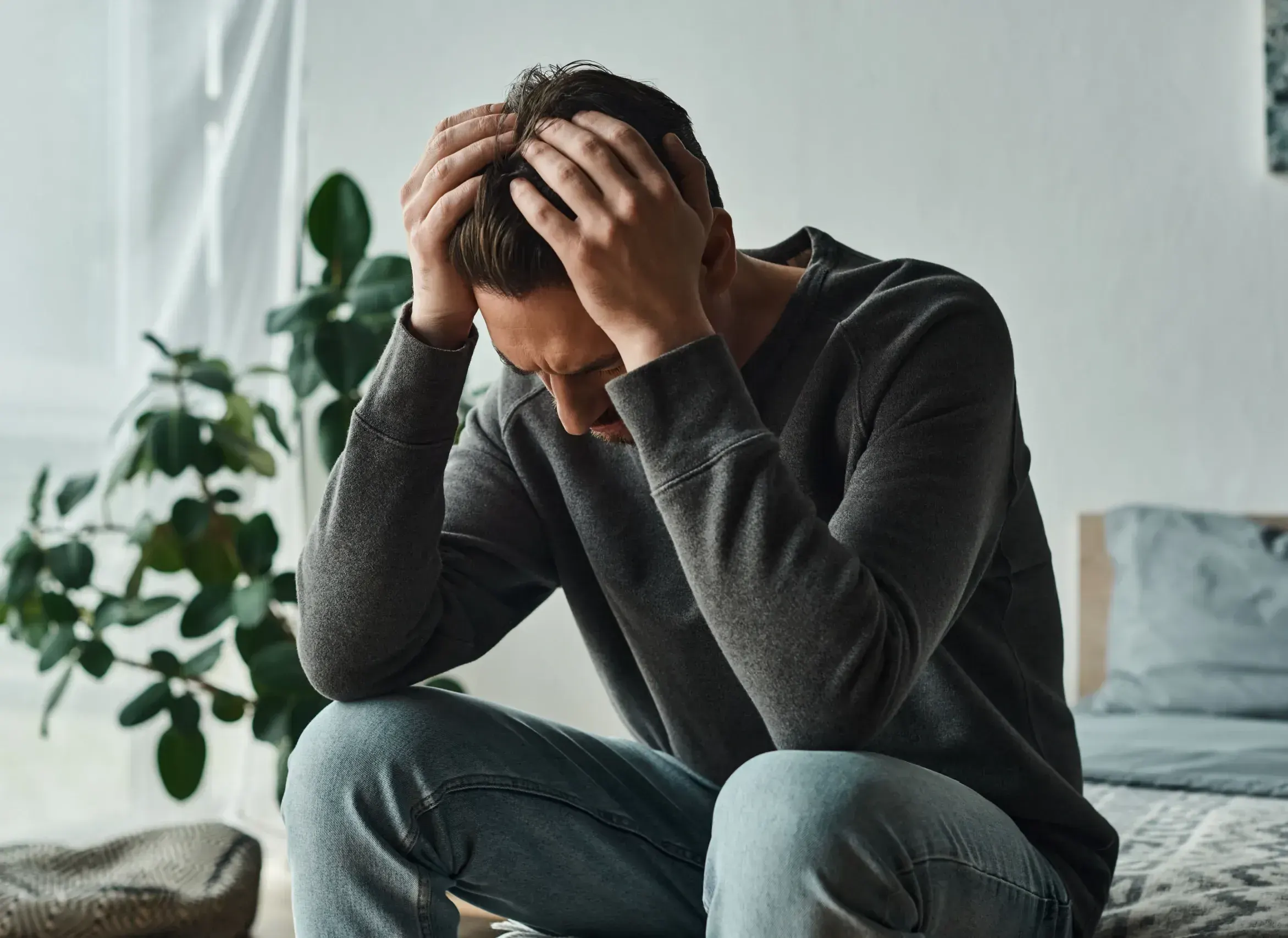
Recognizing When to Seek Help
Explore the treatments available at Riverstone Wellness for depression.
About Depression
Common symptoms include persistent sadness or emptiness, loss of interest in activities, low energy, sleep and appetite changes, trouble concentrating, feelings of worthlessness, and in some cases thoughts of death or self-harm. Symptoms must last at least two weeks and interfere with daily life to meet diagnostic criteria.
Diagnosis begins with a comprehensive psychiatric evaluation that reviews your symptoms, medical history, family history, and life circumstances. Christina uses validated tools such as the PHQ-9 alongside clinical interview to differentiate depression from other conditions like thyroid disease, anxiety, or grief, then builds a treatment plan with you.
Yes. TMS is FDA-cleared for major depressive disorder and treatment-resistant depression, with multiple clinical trials showing meaningful improvement in roughly half to two-thirds of patients who have not responded to medication. Riverstone offers TMS therapy with Exomind as a non-invasive, drug-free option.
Many patients notice early improvements in sleep, energy, or motivation within two to four weeks of starting medication or TMS, with fuller benefits typically developing by week six to eight. Treatment-resistant cases may take longer and often respond best to combined approaches.
Often yes. Depression frequently overlaps with anxiety treatment in Easley, SC, insomnia treatment in Easley, SC, and PTSD treatment in Easley, SC, sharing common biology in the stress and mood circuits. We assess and treat these conditions together rather than in isolation.
Yes, in combination with professional care. Regular exercise, consistent sleep, sunlight exposure, social connection, and limiting alcohol all support recovery. They are most effective alongside, not instead of, evidence-based psychiatric treatment, especially for moderate to severe depression.
If low mood, loss of interest, or other symptoms have lasted more than two weeks and are affecting work, relationships, or self-care, it is time to schedule an evaluation. If you are having thoughts of self-harm or suicide, call or text 988 immediately and seek care the same day.