Mental Health Conditions
Untreated depression, anxiety, PTSD, and ADHD disrupt sleep architecture and frequently present alongside chronic insomnia.

Restful, Restorative Sleep Without Dependence
Recognizing the Signs
Insomnia is a clinical sleep disorder characterized by persistent difficulty falling asleep, staying asleep, or waking too early despite adequate opportunity for rest. Acute insomnia lasts days to weeks and is often tied to a clear stressor, while chronic insomnia persists at least three nights per week for three months or longer and frequently coexists with depression, anxiety, or chronic pain.
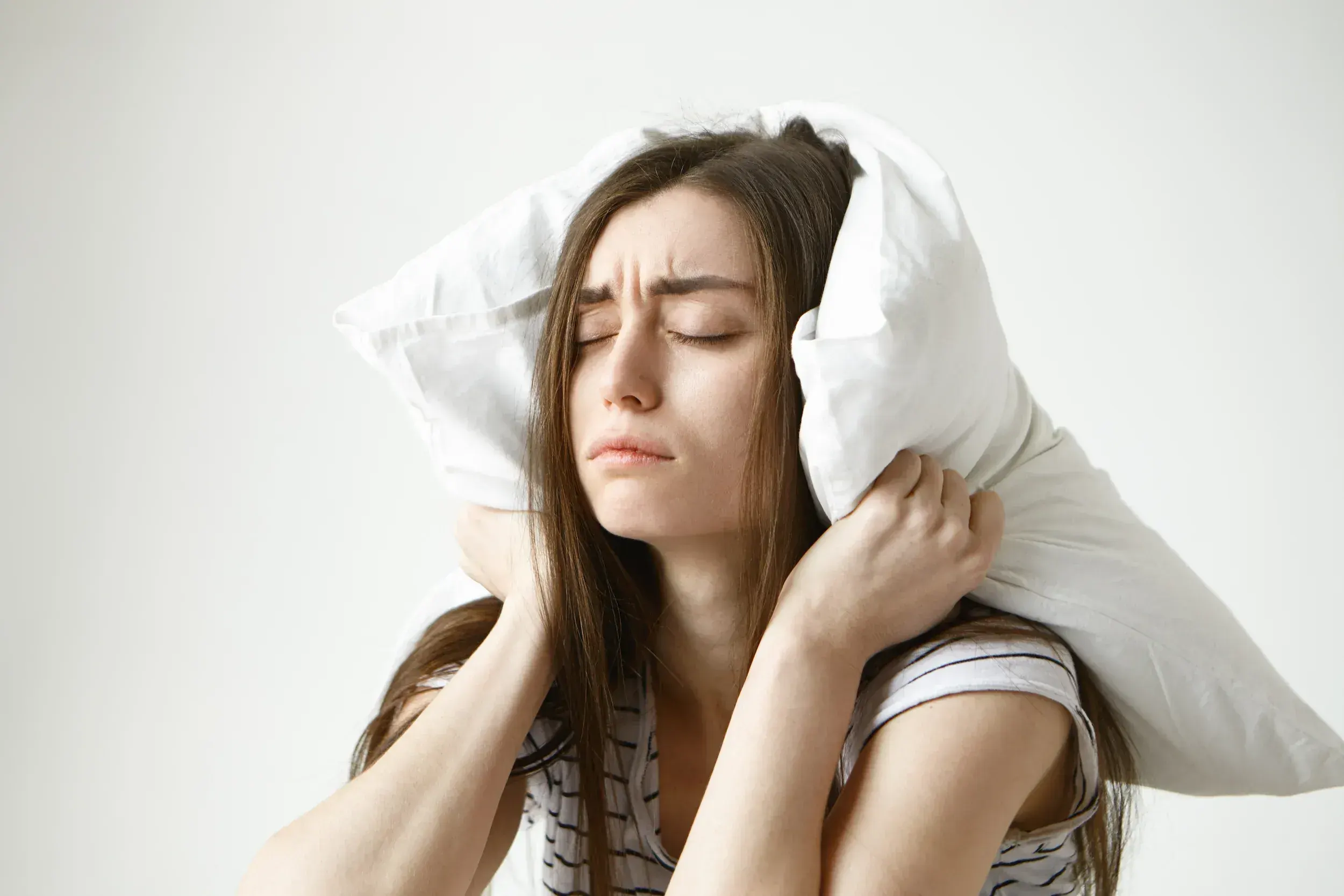
When you lie awake counting hours, watch the ceiling at 3 a.m., or wake up exhausted no matter how long you stayed in bed, you are experiencing the visible signs of insomnia in Easley, SC. The condition affects roughly one in three American adults at any given time, and about 10 percent meet diagnostic criteria for chronic insomnia disorder.
Many patients describe the feeling as wired but tired, or like the brain refuses to power down. The downstream effect on mood, focus, immune function, and relationships is often what finally brings people in. You are not lazy, weak, or broken. You have a treatable medical condition, and Riverstone Wellness offers care without long-term reliance on benzodiazepines or Z-drug sleep aids.

Understanding the Root Causes
Healthy sleep depends on two coordinated systems: the circadian rhythm, which signals when to feel alert versus sleepy across a 24-hour cycle, and the sleep homeostat, which builds pressure to sleep the longer you stay awake. Insomnia develops when one or both systems become dysregulated, often through hyperarousal of the brain's stress response that keeps the nervous system in fight-or-flight mode at night.
According to the National Institute of Mental Health, sleep disorders are tightly linked with mood and anxiety conditions, with elevated cortisol and overactive sympathetic activity disrupting normal sleep architecture. The result is fewer minutes in deep slow-wave and REM sleep, which is when the brain consolidates memory and clears metabolic waste.
Common contributing factors include untreated depression treatment in Easley, SC, anxiety treatment in Easley, SC, trauma and PTSD treatment in Easley, SC, chronic pain, perimenopause, shift work, late-evening screen exposure, caffeine, and alcohol used as a sleep aid. Identifying the underlying driver is the first step toward effective, non-dependent treatment.

How Short-Term Sleep Loss Becomes a Lasting Disorder
Acute insomnia is a short-term reaction to a stressor: a job change, a loss, illness, or travel. It typically resolves within a few weeks once the trigger passes or the body adapts. Most people recover without intervention, though brief support from a clinician can prevent the pattern from taking hold.
Chronic insomnia develops when the nervous system learns that the bed itself is a place of frustration and arousal. This conditioned hyperarousal is reinforced each night you lie awake watching the clock, and it is one reason sleeping pills alone often stop working over time. The American Academy of Sleep Medicine identifies cognitive behavioral therapy for insomnia (CBT-I) as the first-line treatment for chronic insomnia in adults.
For patients who have not responded to therapy or medication alone, working with an experienced adult psychiatry in Easley, SC opens the door to additional evidence-based options, including TMS therapy with Exomind in Easley, SC, which targets the brain regions involved in mood, anxiety, and sleep regulation.

Expert Care in Easley
Finding Your Best Approach
| Treatment | Best For | Session Time | Results Timeline | Maintenance |
|---|---|---|---|---|
| Adult Psychiatry | Diagnosis and root-cause care | 30 min | 2-6 weeks | Monthly visits |
| TMS Therapy with Exomind | Treatment-resistant insomnia | 30 min | 4-6 weeks | Optional booster sessions |

Recognizing When to Seek Help
Explore the services at Riverstone Wellness that support better sleep.
About Insomnia
Insomnia is most often driven by hyperarousal of the stress response combined with disrupted circadian or sleep-pressure systems. Common drivers include depression, anxiety, PTSD, chronic pain, perimenopause, shift work, caffeine, and alcohol used as a sleep aid. Identifying the underlying cause is the first step toward effective, non-dependent treatment.
We start with a comprehensive evaluation by Christina Holliday, PMHNP-C, then build a plan that typically combines cognitive behavioral therapy for insomnia (CBT-I) principles, sleep hygiene, treatment of any underlying anxiety or depression, and, when appropriate, short-term medication or TMS therapy. We avoid long-term reliance on benzodiazepines and Z-drugs.
Transcranial magnetic stimulation can improve sleep in many patients, particularly when insomnia coexists with depression or anxiety. By modulating activity in mood-regulating brain circuits, TMS often restores more normal sleep patterns. Our Exomind TMS device targets the regions tied to mood, focus, and sleep regulation, and most patients complete a series of brief in-office sessions.
Several medication classes can help, including melatonin receptor agonists, certain low-dose antidepressants, and orexin blockers. Benzodiazepines and Z-drugs work in the short term but carry risk of tolerance, rebound insomnia, and dependence with extended use. We use medication strategically and short-term whenever possible, paired with behavioral and TMS options for lasting results.
Many patients notice meaningful improvement within four to eight weeks of starting a structured plan, though some see early changes within the first two weeks. Chronic insomnia that has built up over years generally takes longer to fully resolve. Consistent follow-up visits help us adjust the plan and maintain progress.
Usually no. Our goal is to address the drivers of your insomnia so you can sleep without ongoing reliance on sedatives. When medication is part of the plan, we taper intentionally as behavioral strategies and any TMS therapy take effect, supporting durable, non-dependent sleep.
If you have trouble sleeping at least three nights a week for more than three months, if your daytime function is suffering, or if you are leaning on alcohol or sedatives to fall asleep, it is time to seek evaluation. Earlier care prevents acute insomnia from becoming a chronic, conditioned pattern.